Mastering Bulldog Training
Unlock the Secrets to a Well-Behaved Bulldog
Discover effective techniques and tips to nurture good behavior in your beloved Bulldog, ensuring a happy and harmonious life together.
The Importance of Bulldog Training
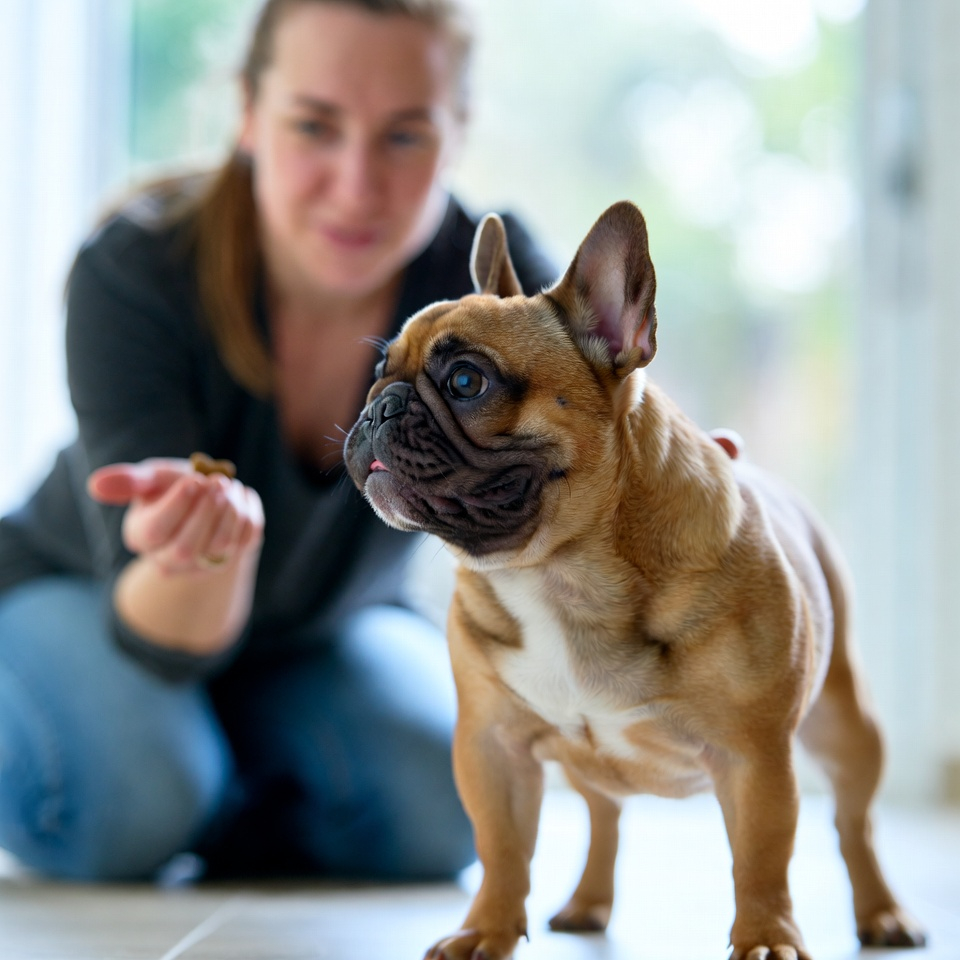
Training is crucial for Bulldogs as it not only enhances their behavior but also strengthens the bond between the dog and its owner. Proper training helps address common challenges such as stubbornness and socialization issues, promoting a well-adjusted and happy Bulldog. By investing time in training, you contribute significantly to your Bulldog's overall well-being, ensuring they lead a fulfilling and balanced life.
Consistent training also helps Bulldogs develop confidence and a clear understanding of what is expected of them. Because Bulldogs tend to have independent personalities, patient and positive training methods work best, reinforcing good behavior while building trust and respect between dog and owner. Over time, this structure creates a calmer household, improves communication, and allows your Bulldog’s affectionate and loyal nature to truly shine.
Effective Bulldog Training Techniques
Positive Reinforcement
Utilize rewards and praise to encourage desired behaviors, making training sessions enjoyable and productive for your Bulldog.
Consistency is Key
Maintain a regular training schedule to help your Bulldog understand expectations and develop good habits over time.
Patience and Persistence
Approach training with patience, understanding that Bulldogs may take time to learn, but persistence will lead to success.
Common Bulldog Training Challenges
How can I stop my Bulldog from chewing on furniture?
To prevent furniture chewing, provide plenty of chew toys and redirect their attention when they start chewing on inappropriate items. Consistent training and positive reinforcement are key.
Why does my Bulldog pull on the leash during walks?
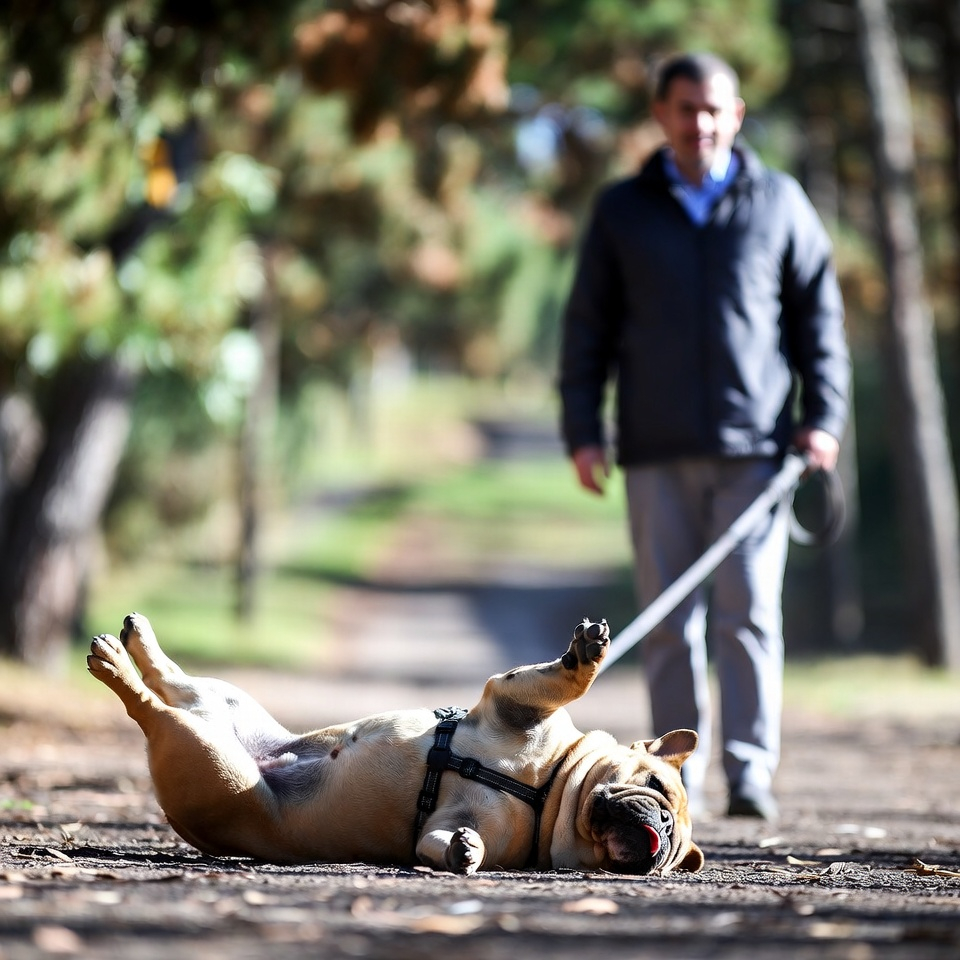
Bulldogs may pull on the leash due to excitement or lack of training. Use a harness and practice leash training in a controlled environment, rewarding calm behavior.
How do I handle my Bulldog's stubbornness during training?
Patience and consistency are crucial. Use short, engaging training sessions with high-value treats to keep their interest and reinforce good behavior.
What should I do if my Bulldog barks excessively?
Identify the cause of barking, such as boredom or anxiety. Provide mental stimulation and exercise, and use commands to teach them when to be quiet.
How can I socialize my Bulldog with other dogs?
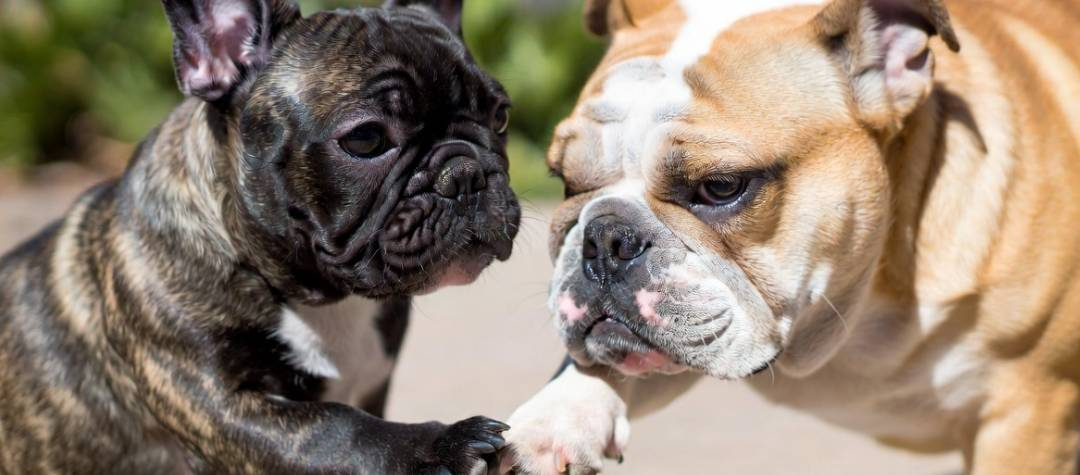
Introduce your Bulldog to other dogs gradually, starting with calm, friendly dogs. Use positive reinforcement to reward calm interactions.
What is the best way to potty train my Bulldog?
Establish a consistent routine, taking your Bulldog outside frequently. Praise and reward them immediately after they go potty outside.
How do I prevent my Bulldog from jumping on guests?
Teach your Bulldog the 'sit' command and reward them for sitting calmly when guests arrive. Consistent training and patience are essential.
Why does my Bulldog refuse to eat their food?
Bulldogs can be picky eaters. Ensure their food is high-quality and consult a vet if the issue persists. Try mixing in a small amount of wet food to entice them.
How can I help my Bulldog with separation anxiety?
Gradually increase the time you're away, providing toys and treats to keep them occupied. Consider crate training for a safe space.
What Our Happy Owners Say
"Thanks to the training tips from Bulldog Journey, my Bulldog, Max, has become a well-behaved companion. The leash training advice was a game-changer!"
Sarah L.
"I was struggling with my Bulldog's stubbornness until I found the resources on Bulldog Journey. Now, Bella listens to commands and is much calmer around other dogs."
James R.
"The potty training guide was incredibly helpful. Our Bulldog, Charlie, learned quickly, and we couldn't be happier with the results!"
Emily T.
Explore More Bulldog Training Tips
Interdigital Cysts
Interdigital Cysts in Bulldogs: What Every Owner Should Know Interdigital cysts are small, inflamed bumps that can develop between a Bulldog’s toes. These cysts may seem minor at first, but they can cause discomfort and affect your French or English Bulldog’s daily...
Interdigital Cysts
Interdigital Cysts in Bulldogs: What Every Owner Should Know Interdigital cysts are small, inflamed bumps that can develop between a Bulldog’s toes. These cysts may seem minor at first, but they can cause discomfort and affect your French or English Bulldog’s daily...
Joint and Ligament Issues
Joint and Ligament Issues Keeping your Bulldog’s joints and ligaments healthy is key to a happy, active life—supporting strong muscles, proper movement, and long-term comfort. Joint and ligament issues are fairly common in both French Bulldogs and English Bulldogs due...
Transform Your Bulldog's Behavior Today
Unlock the secrets to a well-behaved Bulldog with our expert training techniques. Start your journey towards a happier, more obedient companion by exploring our comprehensive guide.